Benefits of Choosing Dental Crowns Southgate CA for Tooth Repair
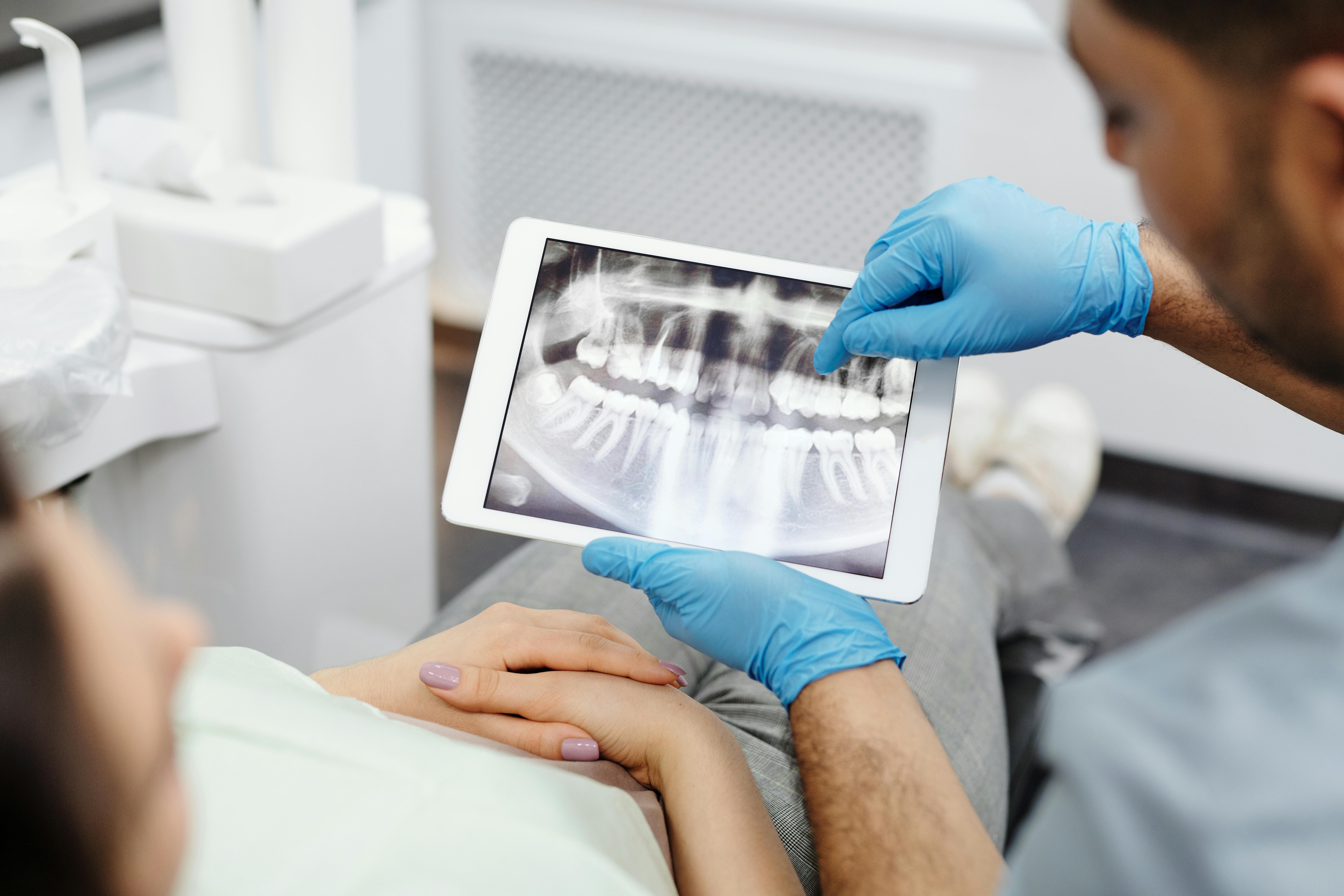
A damaged tooth rarely fixes itself. Small chips can turn into cracks, old fillings can weaken what is left of the natural structure, and a tooth that once handled years of chewing can suddenly start reacting to coffee, cold air, or a crust of bread. In practice, many patients wait longer than they should because the problem seems manageable at first. Then one morning they bite down and feel a sharp jolt that makes it clear the tooth needs more than a filling.
That is where crowns become valuable. For the right case, a dental crown does much more than cover a problem spot. It rebuilds form, restores strength, protects against further breakdown, and often improves appearance at the same time. For patients exploring Dental Crowns Southgate CA, the real benefit is not simply getting a cap placed on a tooth. It is preserving function in a way that feels stable, natural, and durable enough for daily life.
Crowns have been part of restorative dentistry for a long time, but the conversation around them has changed. Patients today care about comfort, appearance, longevity, and how a treatment fits into work schedules and family obligations. They also want to understand whether a crown is truly necessary or just one option among several. Those are sensible questions. A good decision about tooth repair depends on the condition of the tooth, your bite, the location in the mouth, and the long-term value of saving that structure.
What a dental crown actually does
A crown is a custom-made restoration that covers the visible part of a tooth above the gumline. It is designed to fit over a prepared tooth and restore its shape, size, and function. In simple terms, if a filling patches a tooth, a crown wraps around it to reinforce and protect it.
That distinction matters. A tooth with a minor cavity may only need a filling. A tooth with a large fracture, extensive decay, a failed large filling, or a root canal often needs more complete coverage. Once enough natural tooth structure is missing, a filling alone can leave the remaining walls vulnerable to splitting under pressure.
Think about the workload your back teeth handle. Molars can absorb significant bite force every day, particularly in people who clench, grind, or chew on one side. When a compromised tooth keeps taking that force without reinforcement, it may eventually crack in a way that is much harder, and sometimes impossible, to repair. A crown often steps in at the stage where preservation is still possible.
Why crowns are often the best middle ground
Tooth repair usually sits between two extremes. On one end, a conservative filling may not be enough. On the other, extraction and replacement with an implant or bridge can be more invasive, more expensive, and more time consuming. A crown often occupies the practical middle ground.
It allows the dentist to save the existing tooth root when the foundation is still healthy enough to support a restoration. That is no small advantage. Keeping a natural tooth, even a restored one, generally preserves familiar chewing patterns and avoids the healing period that follows an extraction. Patients often appreciate that a crown can stabilize a situation before it escalates.
This is especially relevant when pain is not severe. Many teeth that need crowns are not constantly aching. They may be functional but unreliable, sensitive but not unbearable, or visibly worn without being broken in half. People are sometimes surprised to learn that the absence of major pain does not mean the tooth is sound. Crowns are frequently recommended because the risk of future failure is high, not because the tooth is already beyond saving.
Strength and protection in everyday use
The clearest benefit of a crown is structural support. When a tooth has lost substantial enamel and dentin, it becomes less capable of distributing chewing pressure evenly. Small unsupported cusps can flex. Thin walls can split. A crown helps contain those forces by encasing the vulnerable parts of the tooth.
This matters in ordinary daily habits, not just dramatic incidents. Crunching ice, chewing almonds, tearing into crusty bread, and nighttime grinding can all stress weakened teeth. Patients often describe a restored crowned tooth as feeling more dependable. Not numb or artificial, just safer to use again.
There is also a preventive advantage. Once a crack extends below the gumline or into the root, the chance of saving the tooth drops sharply. In some cases, a crown placed at the right time can prevent a restorable tooth from becoming an extraction case. Dentists see this pattern often with old silver fillings in molars. The filling may still be in place, but the surrounding tooth has become brittle over the years. Replacing that situation with a crown can be the difference between a manageable restoration and a much larger problem six months later.
Crowns can look remarkably natural
Many patients still picture crowns as obviously artificial, perhaps metallic, bulky, or darker than neighboring teeth. That image is outdated for many cases. Modern ceramic and porcelain-based materials can be shaped and shaded to blend with surrounding teeth very well, especially in visible areas.
The cosmetic benefit is not superficial. A front tooth with a large chip, discoloration after trauma, or a misshapen old repair can affect speech confidence and social ease. Even on back teeth, appearance matters more than many people admit. People notice when they laugh, yawn, or speak in bright light. A well-made crown can restore not just the tooth, but the sense that your smile looks coherent again.
Of course, material choice depends on the situation. Front teeth usually demand stronger aesthetic blending. Back teeth require durability and resistance to heavy bite forces. A dentist weighs those priorities against habits like grinding, the amount of remaining tooth structure, and the available space between upper and lower teeth. Good crown work is never one-size-fits-all.
When a filling is no longer enough
One of the most common questions in restorative care is whether a tooth can be repaired with a filling instead of a crown. Sometimes it can. Sometimes that approach only delays a bigger problem.
The size of the damaged area matters. If decay or fracture involves a small portion of the tooth, a filling may work beautifully. But when the repair would cover a large percentage of the chewing surface, the tooth may lack enough support to hold up well under repeated stress. Large fillings can also shrink slightly over time or leave margins that become vulnerable to recurrent decay.
A crown becomes more compelling in situations like these:
- the tooth has a large existing filling and little intact enamel left
- a cusp has fractured or the tooth has a visible crack
- root canal treatment has removed internal support
- the tooth is badly worn from grinding or acid erosion
- repeated repairs have failed and the tooth keeps breaking around them
Those patterns are familiar in clinical practice because they tend to repeat. A tooth that has already gone through multiple patch repairs is often telling you something. At some point, rebuilding the entire visible portion is more predictable than continuing to replace one compromised section at a time.
The value of crowns after root canal treatment
Teeth that have had root canal treatment often need crowns, particularly posterior teeth. There is a practical reason for that. Once the infected or inflamed pulp is removed, the tooth can remain functional, but it is usually more brittle and structurally compromised than before. In many cases, significant decay or prior restorations were already present before the root canal was ever needed.
Patients sometimes assume that if the pain is gone after root canal therapy, treatment is finished. The tooth may feel better, but it may not be strong enough to withstand normal biting without added protection. A crown can seal and reinforce the tooth, reducing the chance of fracture.
This is one of the most important long-term benefits of choosing Dental Crowns Southgate CA when recommended after endodontic treatment. Skipping the final protective restoration may save money in the short term, but it can be costly if the tooth later breaks beyond repair. That scenario is frustrating because the root canal itself may have been successful, yet the tooth is lost due to delayed reinforcement.
Comfort and function matter more than many people expect
Crowns are often discussed in terms of saving teeth, but their quality-of-life impact deserves equal attention. A damaged tooth can subtly change how you eat. People start chewing on one side, avoiding certain foods, or taking smaller bites without fully realizing it. Over time, that compensation can lead to jaw fatigue, uneven wear, or strain on other teeth.
When a crown is properly designed, the goal is not merely to cover the tooth. It is to restore comfortable function. The bite should feel balanced. Floss should pass normally at the contact. The crown should not trap food constantly or feel too high when you chew. These details can sound minor, but they strongly influence whether the restoration feels like part of your mouth or a foreign object you never stop noticing.
Well-fitting crowns tend to disappear from your awareness after the adjustment period. That is often the mark of successful work. Patients stop protecting that side of the mouth and return to normal use.
Durability and long-term value
No dental restoration lasts forever, and any honest discussion should say that clearly. Crowns can last many years, often a decade or more, depending on material, oral hygiene, bite forces, and regular dental maintenance. Some fail earlier. Some last much longer. The point is not perfection. The point is reliable service life when the restoration is well planned and well cared for.
From a financial standpoint, crowns can offer strong value because they often prevent repeated short-term fixes. A tooth that gets patched every couple of years can become expensive in a quiet way. There is the cost of each repair, the inconvenience of repeated appointments, and the risk that every new replacement removes more tooth structure. A crown may involve a higher initial investment, but it often reduces the cycle of break-repair-break.
That is especially true for people with heavy chewing forces or complex wear patterns. A restoration that looks less expensive on paper may not be less expensive if it fails repeatedly. Long-term value in dentistry comes from matching the treatment to the tooth’s actual demands.
Why local care makes a difference in Southgate
Choosing a provider close to home is not just about convenience. With crowns, local accessibility can improve follow-up care, communication, and continuity. If the temporary crown comes loose, the bite needs a slight adjustment, or sensitivity lingers longer than expected, being able to return promptly matters.
Patients seeking Dental Crowns Southgate CA often have practical priorities. They want treatment that works, appointments that fit real schedules, and a dental team that understands the pressures of commuting, family responsibilities, and postponed care. Many people do not arrive for crown treatment in a neat preventive phase. They come in after months or years of making do, once a tooth starts interfering with daily life.
That context matters clinically. Dentists serving established local communities tend to see patterns tied to delayed treatment, older dental work, and competing financial priorities. Good care in that setting requires judgment, not salesmanship. Sometimes a crown is clearly the best option. Sometimes it is worth trying a more conservative restoration first. Sometimes the tooth is too compromised, and discussing extraction honestly is the responsible Dental Crowns Southgate CA move. Trust grows when patients feel that distinction.
The process is more straightforward than many people fear
Crown treatment has a reputation for being complicated, but for most patients it is manageable. The tooth is evaluated, any decay or unstable old material is removed, and the tooth is shaped to receive the crown. Impressions or digital scans are taken so the final restoration can be made to precise dimensions. A temporary crown is typically placed while the permanent one is fabricated, unless same-day technology is available in a particular office and suits the case.
The final appointment usually involves checking fit, contacts, bite, and appearance before cementation. The technical details matter greatly, but from the patient perspective, the experience is often easier than anticipated, especially when the tooth was already troublesome before treatment. Many people say the hardest part was deciding to do it.
There can be short-term sensitivity afterward, particularly to temperature or pressure, and the gums may feel mildly irritated for a few days. That is normal in many cases. Persistent pain, a bite that feels distinctly high, or ongoing difficulty chewing should be checked promptly. Small adjustments made early can prevent frustration.
Not every crown is the same
Material selection influences strength, aesthetics, and how much tooth preparation is needed. Porcelain-fused-to-metal crowns have a long track record. All-ceramic and zirconia options are popular for their appearance and strength. The ideal choice depends on the tooth’s location, how much room exists in the bite, whether the patient grinds their teeth, and the cosmetic expectations involved.
For instance, a highly visible front tooth may need a crown with excellent translucency and color matching. A lower molar in a patient who clenches heavily may benefit from a different material emphasis. There is no single best crown in the abstract, only the best crown for that tooth in that mouth.
This is one reason quick price comparisons can be misleading. Two crowns may not involve the same complexity, material, laboratory quality, or planning. A cheaper option can still be appropriate in some cases, but value should be judged by fit, function, and longevity, not only the fee.
Situations where a crown may not be the right answer
Crowns are useful, but they are not magic. If decay extends too far below the gumline, if the root is fractured, or if periodontal support is poor, the tooth may not be a good candidate. Likewise, if the bite is extremely unstable and underlying grinding is not addressed, even a well-made crown can be placed at risk.
Dentists also look carefully at how much healthy tooth structure remains. A crown needs something solid to hold onto. In some cases a build-up or post may be required. In others, the foundation is simply too compromised for a predictable result.
That is why the best crown decisions come from diagnosis, not preference alone. Wanting to save a tooth is understandable. Sometimes it is possible, sometimes not. The benefit of a responsible consultation is clarity about prognosis before money and time are invested.
How to protect a new crown
Once a crown is placed, daily care remains important. A crown cannot decay in the same way natural tooth enamel does, but the tooth underneath and especially the margin around the gumline can still develop decay if plaque control is poor. The supporting gums and bone also still matter.
Good habits tend to make the difference between a crown that lasts and one that develops avoidable problems:
- brush thoroughly along the gumline, not just the crown surface
- floss daily and slide the floss carefully around the margin
- avoid using teeth to open packaging or bite very hard non-food objects
- consider a night guard if grinding or clenching is present
- keep regular dental visits so small issues are caught early
This kind of maintenance may sound basic, but it is where real longevity is built. Many failed crowns do not fail because the material suddenly gives out. They fail because recurrent decay forms at the edge, the bite goes unadjusted, or chronic grinding overloads the tooth.
The emotional side of repairing a damaged tooth
There is a practical relief that comes with stabilizing a tooth that has been unpredictable. People often carry more stress about dental problems than they admit. A tooth that hurts on and off, catches food, or feels fragile can sit in the back of your mind all day. You chew carefully, you avoid one side, and you wonder whether the next bite will make things worse.
Repairing that tooth with a well-planned crown often removes more than physical discomfort. It restores confidence in eating, speaking, and smiling without that low-grade worry. That benefit is hard to quantify, but it is real. Anyone who has postponed treatment out of anxiety, budget concerns, or simple busyness usually recognizes the feeling once the issue is finally resolved.
For patients considering Dental Crowns Southgate CA, that is part of the broader value. A crown is not merely a technical restoration. It is often the point where a lingering problem stops dictating how you use your mouth every day.
Making a sound decision
The best reasons to choose a crown are grounded in function, protection, and long-term preservation. If a tooth is structurally compromised but still salvageable, a crown can be one of the most effective ways to keep it working well and looking natural. It can prevent escalation, improve chewing comfort, and support the health of the surrounding bite.
At the same time, good dentistry always respects nuance. Not every broken tooth needs a crown immediately. Not every tooth can be saved with one. The right choice depends on the condition of the tooth, your habits, your priorities, and the quality of the plan behind the treatment.
When patients understand that balance, crowns make sense. They are not a cosmetic extra or a default upsell. They are often a practical, durable solution for preserving a tooth that still has years of service left, provided it gets the support it now needs.
Simple Dental South Gate
Address: 8617 California Ave, South Gate, CA 90280
Phone number: +13236896118
FAQ About Dental Crowns Southgate CA
How much do crowns cost per tooth?
In the United States, a single dental crown typically costs between $800 and $2,500 per tooth without insurance. The ultimate out-of-pocket price depends heavily on the crown material, the location of the tooth, and whether you have dental insurance coverage.
What is the downside of crowns on teeth?
The primary downside of a dental crown is that the procedure permanently removes natural tooth enamel to shape the tooth for the cap.
Why do dentists push for crowns?
Dentists recommend crowns because a large filling cannot provide enough strength when a tooth loses a major portion of its structure or faces heavy chewing pressure.