Dental Crowns Southgate CA for Cosmetic and Functional Improvements
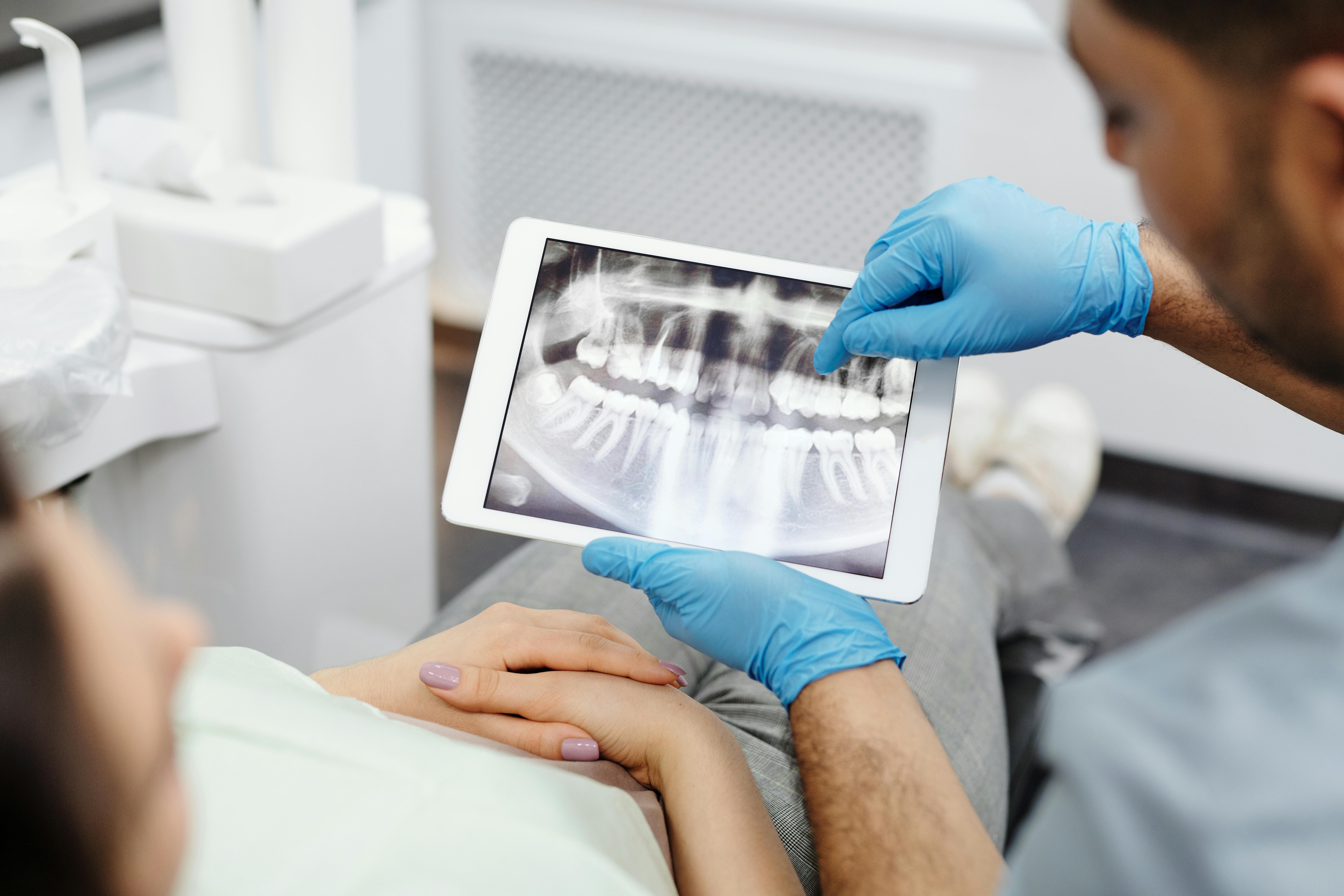
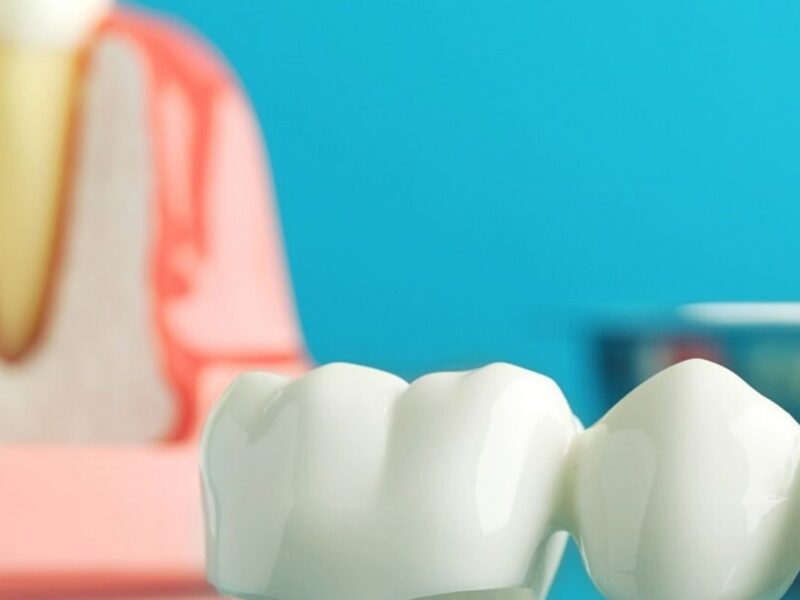

A well-made dental crown does two jobs at once. It protects a tooth that has lost strength, and it restores the look of a natural smile in a way most people barely notice. That combination matters more than patients often expect. Someone may come in because a back molar cracked while eating, or because a front tooth darkened after an old injury. The clinical problem is different, but the goal is often the same: keep the tooth, make it comfortable, and make it blend in.
For patients searching for Dental Crowns Southgate CA, the decision usually starts with a practical question. Is a crown really necessary, or is it being suggested because it is the easiest treatment to explain? The honest answer depends on how much healthy tooth structure remains, where the tooth sits in the mouth, how hard the patient bites, whether there is existing decay, and whether appearance is part of the complaint. Crowns can be excellent, but they are not interchangeable with fillings, veneers, or implants. Choosing one should come from diagnosis, not habit.
What a dental crown actually does
A dental crown is a custom restoration that covers most or all of the visible part of a tooth above the gumline. Think of it as a protective outer shell that is shaped to match the way the tooth should function. Once cemented or bonded into place, it helps the tooth handle chewing forces that might otherwise cause pain, fractures, or failure of old dental work.
The need for a crown Dental Crowns Southgate CA often develops gradually. A tooth may have a large filling placed years earlier, then another, then another. Every time a filling is replaced, a little more natural tooth is removed. At a certain point, a filling no longer acts like a repair. It acts like a wedge inside a weakened tooth. That is when a crown starts to make more sense.
Crowns are also common after root canal treatment. A root canal does not automatically mean a tooth needs a crown, but many posterior teeth do benefit from one because they become more brittle over time and continue to absorb strong chewing pressure. Front teeth can be different. If enough tooth remains and the bite is favorable, a crown may not always be the first choice. This is where individual judgment matters.
Cosmetic improvements that go beyond “covering a tooth”
Many patients hear the word crown and assume it is strictly functional. In practice, it can be one of the most effective cosmetic tools in dentistry when used for the right reasons.
A discolored tooth that does not respond to whitening is a common example. This often happens after trauma. The tooth may still be healthy enough to keep, but the color shift can be dramatic, especially in bright daylight. A carefully designed ceramic crown can restore the shade, shape, and surface texture in a way that looks natural beside neighboring teeth.
Another common situation involves worn teeth. Years of grinding can flatten edges, shorten front teeth, and create a smile that looks older or uneven. A crown is not the answer for every worn tooth, but when a tooth is severely compromised, crowning it can restore length and support. The visual difference can be striking, but the functional change is often even more important. Speech may improve. Biting into food feels easier. The jaw can feel less strained when the bite is rebuilt thoughtfully.
Shape correction is another reason crowns come into the conversation. Some teeth erupt undersized, rotated, or with developmental defects in enamel. If the defect is substantial, a veneer may not offer enough coverage or strength. A crown allows full reshaping. Done well, it should not look bulky or overly bright. The best cosmetic crowns are usually the ones no one identifies as crowns.
Functional improvements patients feel every day
The functional side of treatment is less glamorous, but it tends to matter more over time. A crown can restore a tooth so it can bear chewing forces evenly instead of flexing or hurting. This is particularly important with molars and premolars, where the load is highest.
A cracked tooth is simpledentalca.com Dental Crowns Southgate CA one of the clearest examples. Patients often describe sharp pain when biting down, pain when releasing pressure, or discomfort with cold. Not every crack can be saved, but if the crack is limited and the tooth is still restorable, a crown can hold the structure together and reduce the flex that triggers pain. There are cases where symptoms disappear almost immediately after the tooth is stabilized. There are also cases where the crack is deeper than it first appears, and the prognosis is less favorable. That uncertainty should be part of the conversation before treatment begins.
Crowns can also restore proper contact with opposing teeth. When a tooth breaks down or wears excessively, the bite may become unbalanced. Patients adapt without realizing it. They chew on one side, avoid certain foods, or live with low-grade sensitivity for months. Once the tooth is restored to correct height and contour, the mouth often functions more normally again. It is not magic. It is mechanics.
When a crown is a smart choice, and when it is not
One of the most important parts of recommending Dental Crowns Southgate CA is knowing when to slow down. A crown is a significant restoration. It removes more tooth structure than a filling, and it commits the tooth to a long-term restorative path. That is sometimes exactly the right move. Other times, it is too aggressive.
A crown is often appropriate when a tooth has lost a large amount of structure, has fractured cusps, contains an extensive older filling, has undergone root canal therapy, or has cosmetic and structural issues that cannot be predictably managed with a veneer or bonding. It may also be necessary as part of a larger bite rehabilitation plan.
It may be less appropriate when decay is small and localized, when the cosmetic issue can be solved conservatively, or when the tooth has a poor long-term prognosis because of advanced fracture, severe periodontal support loss, or insufficient remaining structure. In those situations, a dentist should discuss alternatives plainly, including extraction and replacement if the tooth cannot be restored with confidence.
Patients appreciate candor here. They usually do not expect guarantees. They do expect judgment.
Materials matter, but not in the way ads suggest
The material used for a crown influences strength, appearance, wear behavior, and how much tooth reduction is needed. The best choice depends on where the tooth is, how visible it is, and how the patient bites.
Here are the most common options dentists discuss:
- All-ceramic crowns, often chosen for front teeth and visible areas because they can look very lifelike.
- Zirconia crowns, valued for strength and increasingly used in both back and front teeth depending on the case.
- Porcelain fused to metal crowns, a long-standing option that balances durability with esthetics, though it may show a dark line at the margin over time.
- Full metal crowns, usually gold or similar alloys, still respected for longevity in back teeth where appearance is less important.
- Hybrid or layered designs, selected when a case needs a specific combination of strength and esthetic characterization.
Patients often ask for “the strongest” crown. That question sounds straightforward but rarely is. The strongest material is not automatically the best material for every tooth. A very hard crown can be useful in a heavy-bite patient, but the surrounding bite, the space available, and the esthetic demand all matter. The dentist must also consider the opposing tooth. A restoration does not exist in isolation.
The process, from evaluation to final cementation
The crown process is usually spread over two visits, although some offices offer same-day fabrication in selected cases. Even when the technology is available, same-day is not always the superior option. Complex esthetic cases, difficult bite relationships, and multi-unit planning often benefit from the extra control of a laboratory-made restoration.
At the first appointment, the dentist examines the tooth, reviews radiographs, and checks the gum condition, existing restorations, and bite. If decay is present or the tooth is structurally unsound, those issues are addressed before or during preparation. The tooth is then carefully reshaped to make room for the crown. That reduction has to be deliberate. Too little space can lead to a bulky or weak crown. Too much reduction can compromise the tooth or irritate the nerve.
After preparation, an impression or digital scan is taken. Shade selection is another step that should not be rushed, especially for front teeth. Natural teeth are not one flat color. They have translucency, internal variation, and reflected tones from surrounding tissues. In the best esthetic cases, matching the adjacent teeth is a detailed exercise, not a quick glance.
A temporary crown is usually placed while the final one is being fabricated. Temporaries deserve more respect than they often get. A poor temporary can irritate gums, alter the bite, and make the final fit harder to evaluate. A good temporary protects the tooth, preserves position, and lets the patient test shape and comfort.
At the second visit, the final crown is tried in, checked for fit, margin seal, contacts with neighboring teeth, color, and bite. Small adjustments are common. The crown is then cemented or bonded, depending on the material and clinical plan.
What patients in Southgate often want to know before saying yes
In communities like Southgate, practical concerns tend to drive dental decisions just as much as clinical ones. People want to know how long treatment takes, what it will feel like, whether insurance helps, and if the crown will actually last. Those are reasonable questions.
A crown appointment typically takes longer than a filling, but it should not be painful. Local anesthetic is used during tooth preparation. Some soreness around the gums for a day or two is normal. If the tooth was already inflamed, or if extensive decay had to be removed, sensitivity can linger for a short period. Most patients return to routine eating fairly quickly, though the exact timing depends on the cement used and the amount of numbness after the visit.
Cost varies by office, material, complexity, and insurance structure. It is best not to quote broad numbers without context. The more useful approach is transparency. Patients should receive an estimate, understand what their plan may cover, and know whether additional procedures, such as buildup, root canal treatment, or gum therapy, could affect the total.
As for longevity, crowns can last many years, often well beyond a decade, but there is no universal timeline. I have seen crowns fail early because of decay at the margin, heavy clenching, poor fit, or neglected hygiene. I have also seen older crowns remain serviceable far longer than expected because the underlying tooth was healthy and the patient maintained it well.
The difference between a good crown and a merely acceptable one
From the patient’s perspective, a crown can seem simple. It goes on the tooth and the problem is solved. Clinically, the difference between acceptable work and excellent work often comes down to details the patient never sees.
The margin, where the crown meets the tooth, must be clean and precise. If that edge is rough, open, or impossible to keep clean, plaque accumulates and recurrent decay becomes more likely. The contour must support the gums rather than trap food. The contact with adjacent teeth should be snug enough to prevent food packing but not so tight that floss shreds or snaps. The bite should feel even. A crown that is slightly high can leave a patient sore for days and can stress the tooth or jaw.
Color matching is another separator. Front tooth crowns that look opaque, gray, or too white are usually not failures in the structural sense, but patients notice them every time they smile. A dentist who takes extra time with photographs, shade maps, and communication with the lab often gets a better result than one who relies on a single shade tab and hope.
Problems crowns can solve, and problems they cannot
A crown can restore a damaged tooth. It cannot cure every symptom in the area. This distinction prevents disappointment.
For example, if a patient has generalized cold sensitivity from gum recession on multiple teeth, a crown on one tooth will not resolve the larger pattern. If pain is actually referred from clenching or sinus pressure, crowning the tooth may not address the true source. If a front tooth appears short because the gums are uneven, a crown alone may not correct the smile line gracefully. Sometimes the tooth issue is only one part of the diagnosis.
This is why a thorough exam matters. Dentists should test the tooth, evaluate neighboring teeth, review radiographs, and look at the bite as a system. Crowns work best when they are part of a plan, not a reflex.
Recovery, adjustment, and what feels normal afterward
Most patients adjust to a new crown quickly, but there is a short adaptation period. The bite may feel “different” at first even when it is correct, simply because the old tooth shape had been compromised for so long. Mild pressure sensitivity for a few days can happen. So can temporary temperature sensitivity, especially if the tooth had a deep filling or recent decay removal.
There are a few symptoms that should prompt a call back to the office. Persistent throbbing, inability to bite comfortably, floss that cannot pass between teeth, or a crown that feels loose are not things patients should just wait out. Small bite discrepancies are common and often easy to correct with a quick adjustment. Ignoring them tends to make patients adapt badly, clench, or avoid chewing on that side.
How to help a crown last
Crowns fail for familiar reasons. Decay can form where the crown meets the tooth, especially if plaque control is inconsistent or if dry mouth is an issue. Night grinding can place extreme force on both the crown and the underlying tooth. Hard habits, like chewing ice or opening packages with the teeth, shorten the lifespan of almost any restoration.
The habits that protect a crown are not exotic:
- Brush carefully along the gumline twice a day.
- Floss daily, especially around the crowned tooth.
- Wear a night guard if clenching or grinding is part of your history.
- Keep regular exams and cleanings so small issues are caught early.
- Avoid using teeth as tools and be cautious with very hard foods.
These recommendations sound basic because they are basic. The challenge is consistency. A beautifully made crown still depends on the health of the tooth underneath and the tissues around it.
Crowns compared with veneers, fillings, and implants
Patients often ask whether a crown is better than a veneer or whether extraction and implant placement would be more durable. The answer depends on what remains of the natural tooth and what problem is being solved.
A filling is more conservative than a crown and should be preferred when it can restore the tooth predictably. But there comes a point when a filling becomes too large to hold up under load. That threshold is not identical for every tooth, but experienced clinicians see it often.
A veneer is more conservative than a crown from the front surface perspective and can be ideal for certain cosmetic corrections on front teeth. It is not designed to solve every structural problem. If the tooth is heavily filled, fractured, or compromised circumferentially, a veneer may not be enough.
An implant is not an upgrade from a savable natural tooth. Implants are excellent when a tooth cannot be retained, but preserving a healthy natural root is usually preferable when the prognosis is good. Extracting a tooth that could have been restored responsibly is not modern dentistry. It is overtreatment.
Choosing a provider for Dental Crowns Southgate CA
If you are evaluating options for Dental Crowns Southgate CA, focus less on marketing language and more on how the office approaches diagnosis and communication. Good crown work starts before the drill ever touches the tooth.
Pay attention to whether the dentist explains why a crown is recommended, what alternatives exist, what the tooth’s long-term outlook is, and what the realistic limitations are. Ask how they evaluate bite issues. Ask whether they use a lab for esthetic cases and how they handle adjustments if the crown feels off. If the tooth is cracked, ask about the possibility that symptoms may persist if the crack extends deeper than expected. Thoughtful answers are a good sign.
For front teeth, ask to see examples of previous work if available. Not every dentist has the same esthetic eye, and not every lab produces the same level of characterization. For back teeth, function and fit matter most, but esthetics still count if the tooth is visible when you speak or smile.
Why crowns remain one of dentistry’s most useful restorations
Even with advances in bonding, ceramics, and conservative techniques, crowns still occupy an essential place in treatment planning. They are not glamorous. They are not always the first option. But when a tooth is too compromised for a filling and too valuable to lose, a crown often offers the best middle path between preservation and performance.
That is why the treatment has remained relevant for so long. A crown can save a cracked molar that still has solid root support. It can restore a front tooth darkened by trauma so the patient stops covering their smile in photos. It can rebuild worn structure and make chewing comfortable again. Those outcomes are both cosmetic and functional, and in many cases, they are inseparable.
For patients considering Dental Crowns Southgate CA, the smartest next step is not to search for the cheapest crown or the newest machine. It is to get a careful exam, understand the condition of the tooth, and choose a plan that respects both biology and budget. When those pieces line up, crowns can deliver durable, natural-looking improvements that patients feel every day and appreciate for years.
Simple Dental South Gate
Address: 8617 California Ave, South Gate, CA 90280
Phone number: +13236896118
FAQ About Dental Crowns Southgate CA
How much do crowns cost per tooth?
In the United States, a single dental crown typically costs between $800 and $2,500 per tooth without insurance. The ultimate out-of-pocket price depends heavily on the crown material, the location of the tooth, and whether you have dental insurance coverage.
What is the downside of crowns on teeth?
The primary downside of a dental crown is that the procedure permanently removes natural tooth enamel to shape the tooth for the cap.
Why do dentists push for crowns?
Dentists recommend crowns because a large filling cannot provide enough strength when a tooth loses a major portion of its structure or faces heavy chewing pressure.